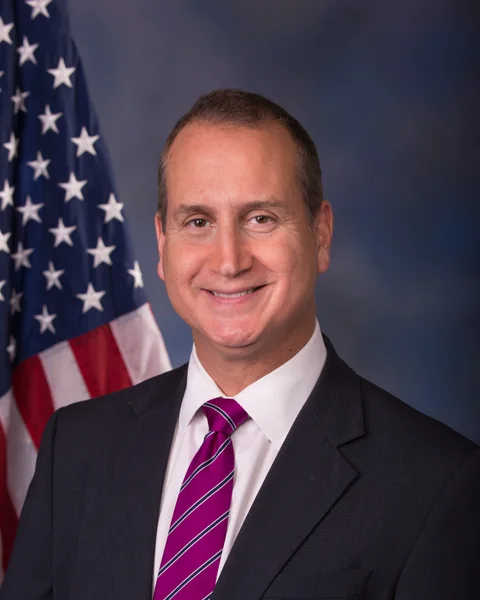
Their 2026 candidacy
Seeking reelection in District 26 with Donald Trump's endorsement. He supports the president's Cuba policy and has expressed disagreement with certain immigration detentions.
Mario Díaz-Balart, a Republican born in Florida to Cuban parents, is seeking reelection in District 26. He is a U.S. representative and holds responsibilities on the House Appropriations Committee, which considers public spending.
CiberCuba reported Donald Trump's endorsement of his reelection on October 31. In a Truth Social post, the president backed his candidacy in District 26 and highlighted his record in the state legislature and U.S. Congress.
In an interview with Martí Noticias reported by CiberCuba on October 17, he distinguished his support for border enforcement from his criticism of detentions involving people with pending immigration proceedings. He acknowledged that advocacy alongside Salazar and Giménez had not, by that point, changed the administration's position on Cubans with I-220A.
He proposed a temporary program to review the circumstances of Cubans, Venezuelans and Nicaraguans case by case, starting with those he considered most likely to qualify for asylum. This was his proposal: the interview did not announce an approved measure or an individual resolution of those cases.
In the same conversation, he defended Trump as an ally on Cuba policy and predicted regime change before the end of Trump's term. This is the congressman's political forecast, not a confirmed timetable. In October, he also called for the release of Anna Bensi and her mother and attended the Westchester event.