Español
2026 ELECTIONS · COVERAGEUpdated November 16, 2026 at 3:16 AM · ET

U.S. Senate · Florida

U.S. Senate

Three candidates appear on the ballot for Florida's U.S. Senate seat.

NOVEMBER 3, 2026Statewide in FloridaProjected winner

Projected winner

Updated: November 7, 2026 at 12:48 PM · ET
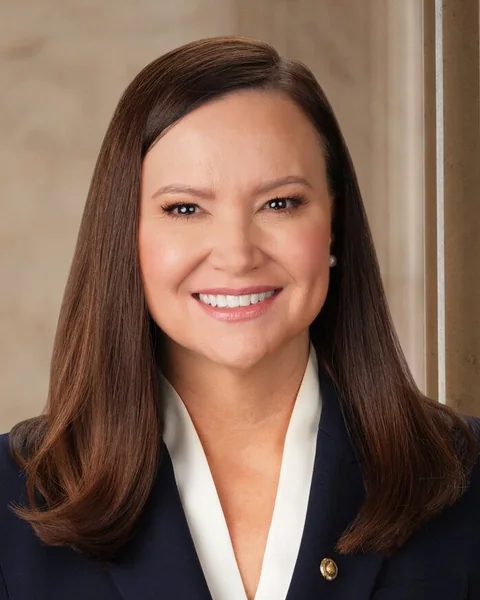
Ashley MoodyProjected by Decision Desk HQ.November 3, 2026 at 8:00 PM · ETSource's announcement ↗

This is how Miami-Dade voted: a Democratic majority for governor and Senate, despite the projected Republican victories in Florida ↗

Reported votes in this election. Percentages are calculated from reported votes, not the share of the count completed.
CandidateVotesPercentage
Ashley MoodyREP4,211,45550.86%
Angie NixonDEM3,974,14848%
Neil J. GillespieNPA94,6651.14%
Total reported votes8,280,268—

Votes published by Decision Desk HQ. Preliminary, uncertified data; percentages refer to reported votes, not the share of counting completed.

Preliminary figures subject to updates and corrections.

Who is running

3 candidates
Democratic

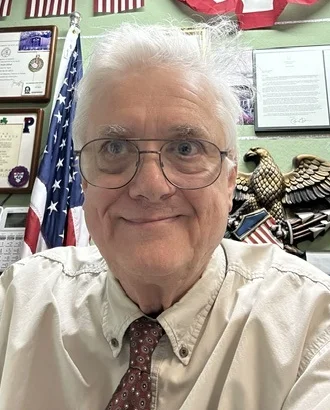
Angie Nixon

State representative and Democratic Senate candidate; she has pledged to support measures to provide legal status for Cubans with I-220A.
Polls for this election

How to read them →
State of FloridaLV

RedBox Research, unidad de A Fight Worth Having

U.S. Senate in Florida

Sponsored by a super PAC

Interviews
Population
Likely voters in Florida
Question base
2,898 people

Revision published November 2 (v5), using the same October 30–31 sample. This is not a new poll.

  • Ashley Moody47.5%
  • Angie Nixon45.1%
  • Neil J. Gillespie0.9%
  • Someone else0.5%
  • Did not vote in this race0.6%
  • Prefer not to answer3.8%
  • Undecided1.6%

Reported margin: ±2.1 points. Scope described in the methodology.

Method changed. November 2 v5 revision: same sample, no new interviews. That day, RedBox revised the party registration and recalled 2024 vote targets after fieldwork and after seeing earlier estimates. Changes between versions do not by themselves mean a change in public opinion.

Sample, methodology and sponsorship
Study
RedBox Research / A Fight Worth Having: Florida U.S. Senate
Population and filters
Likely Florida voters according to AFWH's model, including those reporting they had voted. Turnout probability is weighted using the voter-record model and stated intentions; those who already voted count as certain participants.
Total sample
2,898 people
Unweighted base for this question
2,898
Method
Stated random selection from voter records; text invitation to a self-administered web survey in English and Spanish (278 interviews recorded in Spanish). Oversamples of FL-13, FL-14, FL-22, FL-25 and FL-27 adjusted to their statewide shares. Previous-wave participants and records without usable phone numbers are excluded.
Sponsor
A Fight Worth Having, super PAC (FEC C00933085). RedBox Research is its own polling unit.
Funding
Paid for by A Fight Worth Having, according to the methodology; the study's cost is not published and no additional funding is identified.
Weighting
Party registration, gender, age, district, education, race/ethnicity and recalled 2024 vote; turnout model and 1/99 weight trimming. Recall target: Harris 44.5% among Harris and Trump voters, different from the certified 2024 result.
Reported uncertainty
±2.1 points at 95% confidence for a proportion near 50% of the statewide sample, including a design effect of 1.36. This is not the margin for the difference between candidates and does not apply to districts, counties or subgroups.
Question
Vote already cast or voting intention for Florida's U.S. Senate seat if the election were today.
Published wording
Editorial summary of the versions for those who had already voted and those who had not. Original wording appears in the PDF and CSV; preferences from follow-up questions to undecided respondents are not added.
Percentage base
2,898 unweighted interviews, statewide Total base of votes already cast or current intention. All weighted categories from CSV v5, rounded to one decimal place; total 100%, without normalization.

The two questions share a sample. Undecided, prefer not to answer and not voting in the race remain separate; follow-ups to undecided respondents are not assigned. Categories add up to 100% after rounding. The panel of 540 reinterviews (534 matched) and the combined-wave estimate are not part of this estimate or additional studies. These are survey responses, not election results; they do not separately represent counties or the Cuban community.

State of FloridaLV

Stetson University · CPOR

U.S. Senate in Florida

Interviews
Population
Likely voters in Florida
Question base
859 peopleFull study: 1,000 Florida adults. Electoral base: 861 registered voters.
  • Ashley Moody49%
  • Angie Nixon45%
  • Someone else3%
  • Undecided / don't know3%

Reported precision: ±3.6 points in the electoral base of 861 people. No question-specific estimate for this question. Non-probability panel; this is not equivalent to a random-sampling margin of error.

Sample, methodology and sponsorship
Study
Stetson CPOR: Florida U.S. Senate
Population and filters
Likely Florida voters modeled from a base of 861 registered voters, within 1,000 adults interviewed.
Total sample
1,000 Florida adults
Unweighted base for this question
859
Electoral base of the study
861 registered voters, weighted by their likelihood of voting.
Method
Qualtrics nonprobability online panel. Combines reported votes from those who already voted with intentions from those who had not; assigns preferences expressed in follow-up questions to undecided respondents.
Sponsor
Stetson University's Center for Public Opinion Research; a university center that describes itself as independent and nonpartisan.
Funding
The report does not detail the cost or identify external funding.
Weighting
Age, gender, race, Hispanic origin, education and region; calibration to Florida's certified 2024 presidential result and a turnout-probability model. Those who already voted receive a probability of 1.
Reported uncertainty
Design-effect-adjusted precision: ±3.6 points for the electoral base of 861 registered voters weighted as likely voters (effective n 726; DEFF 1.19). This is not a random-sampling margin of error. The report provides no question-specific precision for each reduced base. It publishes ±3.1 points for the 1,000 adults.
Question
Reported vote or voting intention for Florida's U.S. Senate seat; includes leanings of undecided respondents who express a preference.
Published wording
Editorial paraphrase. The original questionnaire distinguishes votes already cast from voting intention and publishes the follow-up questions for governor and Senate.
Percentage base
Table on p. 40 of the full report: unweighted base of 859 responses. Weighted likely-electorate percentages, not an official vote count.

A weighted 55% of likely voters report having voted; their responses are combined with intentions. Whole-number percentages from the full tables are retained.

State of FloridaLV

ActiVote

U.S. Senate in Florida

Interviews
Population
Likely voters in Florida
Study sample
400 peopleThe number of people who answered this question has not been confirmed.

Voluntary app-based panel. Only the distribution between these two candidates is published, without a breakdown of other options or undecided respondents. The ±4.9 is a historical expected average error, not a random-sampling margin.

  • Ashley Moody53%
  • Angie Nixon47%

No question-specific margin is published.

Sample, methodology and sponsorship
Study
ActiVote: Florida U.S. Senate, published Moody–Nixon distribution
Population and filters
Florida ActiVote users classified as likely midterm voters; turnout likelihood is estimated on a continuous scale from their own voting history and that of people with similar characteristics.
Total sample
400 people
Method
Voluntary nonprobability panel of users of the ActiVote mobile or web application, available in English and Spanish. Records preferences selected by users during the fieldwork period.
Sponsor
ActiVote, Inc.
Funding
ActiVote funds the platform and conducts the polls. According to its disclosure, each reading requires no specific funding because users contribute responses voluntarily.
Weighting
Weighting by age, gender, party, ethnicity, income, education, likelihood of voting, region and political position calculated by ActiVote. Voluntary selection may leave groups underrepresented despite adjustments.
Reported uncertainty
ActiVote publishes ±4.9 points as the expected average error, calculated from errors observed in its historical polls. It is neither a probability-sampling margin of error nor a 95% confidence interval and does not apply to subgroups.
Published wording
Editorial summary of published preferences. The exact wording and a forced-choice question between two names have not been documented; the general methodology describes candidate lists in the application.
Percentage base
Published weighted distribution between the two candidates shown, totaling 100%. The source states 400 likely voters for the study without separately detailing an unweighted base for this question or percentages for other options or undecided respondents.

The published distribution is retained without adding zeros for other candidates or undecided respondents. The two Florida readings have overlapping fieldwork windows: their samples are not added together or assumed to be independent. They do not separately represent counties, districts or the Cuban community.

State of FloridaLV

St. Pete Polls para Florida Politics

U.S. Senate in Florida

Interviews
Population
Likely voters in Florida
Question base
916 people
  • Ashley Moody49%
  • Angie Nixon44.7%
  • Someone else2.6%
  • Undecided / no response3.7%

Reported margin: ±3.2 points. Scope described in the methodology.

Sample, methodology and sponsorship
Study
St. Pete Polls / Florida Politics: Florida U.S. Senate, October 25–27
Population and filters
Likely voters in Florida, including those who had already voted; those who said they would not participate in the 2026 general election were excluded.
Total sample
916 people
Unweighted base for this question
916
Method
Random sample of Florida voter records supplied as of October 14; automated calls (71%) and manual P2P text messages (29%).
Sponsor
FloridaPolitics.com
Funding
The report identifies FloridaPolitics.com as the study's client; it does not detail cost or additional funding.
Weighting
Party, race, age, gender and media market, in line with Florida's active voters.
Reported uncertainty
±3.2 points at 95% confidence stated for the election questions in the statewide sample of 916 likely voters; not applicable to subgroups or counties.
Question
Voting intention for U.S. senator from Florida if the election were today, naming Republican Ashley Moody and Democrat Angie Nixon.
Published wording
Editorial summary of the named-candidate questionnaire; original wording appears on the indicated PDF pages.
Percentage base
Weighted TOTAL column on p. 3; base of 916 likely voters for this question. All published categories are retained, including undecided/no response.

Someone else is retained without assignment to a specific candidate. The undecided category also includes nonrespondents. This shares a sample with the study's other three questions.

State of FloridaLV

RedBox Research, unidad de A Fight Worth Having

U.S. Senate in Florida

Sponsored by a super PAC

Interviews
Population
Likely voters in Florida
Question base
4,823 people
  • Ashley Moody49.6%
  • Angie Nixon42.8%
  • Neil J. Gillespie1.1%
  • Someone else0.6%
  • Did not vote in this race0.1%
  • Prefer not to answer1.6%
  • Undecided4.1%

Reported margin: ±2.5 points. Scope described in the methodology.

Sample, methodology and sponsorship
Study
RedBox Research / A Fight Worth Having: Florida U.S. Senate
Population and filters
Likely Florida voters according to AFWH's model, including those reporting they had voted. There was no screening question: turnout probability was weighted using voter records and stated intentions; those who had voted receive a probability of one.
Total sample
4,823 people
Unweighted base for this question
4,823
Method
Stated random selection from voter records; text invitation and self-administered web survey in English. Includes oversamples of FL-13, FL-14, FL-22, FL-25 and FL-27, adjusted to each district's share of the statewide electorate. Voter records without a usable phone number cannot be reached by text.
Sponsor
A Fight Worth Having, a super PAC (FEC C00933085) described as progressive in its public presentation. RedBox Research is its own polling unit.
Funding
Paid for by A Fight Worth Having, according to the methodology. The study's cost is not detailed and no additional funding is identified.
Weighting
Combination of raking specifications using party registration, gender, age, district, education and race/ethnicity, with a turnout model and an anchor to the certified 2024 presidential vote through recalled vote. Weight trimming and specification comparisons; statewide effective n of 1,520.
Reported uncertainty
±2.5 points at 95% confidence for a proportion near 50% of the statewide sample, with a design effect of 3.17. The difference between two candidates has a larger margin: the methodology states ±4.8 for Moody minus Nixon. Not applicable to districts, counties or subgroups.
Question
Vote already cast or voting intention for Florida's U.S. Senate seat if the election were today.
Published wording
Editorial summary of the versions for those who had already voted and those who had not; original wording and option order appear in the questionnaire and PDF. Follow-up questions to undecided respondents are excluded.
Percentage base
4,823 unweighted interviews, statewide Total base. Includes self-reported early votes; full categories from the CSV and pp. 5–8 of the PDF, expressed to one decimal place.

Shares a sample with the other statewide question. Undecided respondents remain in their category: follow-up preferences are not assigned. Preference not to answer and not voting in the race remain separate. Percentages may not add up to exactly 100 because of rounding. This poll incorporates interviews from five district studies in the same fieldwork; they are not independent samples and should not be added together. The poll is English-only and does not separately represent the Cuban community.

State of FloridaLV

University of North Florida · Public Opinion Research Lab

U.S. Senate in Florida

Interviews
Population
Likely voters in Florida
Question base
1,414 peopleFull study: 1,471 people.
  • Ashley Moody49%
  • Angie Nixon45%
  • Someone else (volunteered response)1%
  • Undecided / don't know5%

±2.81 points in the full study. No question-specific margin for this question.

Sample, methodology and sponsorship
Study
UNF: Florida U.S. Senate, including leaners
Population and filters
Likely voters in Florida; analytical base of 1,414 unweighted responses after excluding refusals and those who would not vote.
Total sample
1,471 people
Unweighted base for this question
1,414
Method
Random sample from the voter register; CATI telephone interviews in English and Spanish.
Sponsor
UNF Public Opinion Research Lab
Funding
Self-funded by PORL, according to the report.
Weighting
Education, then party registration, age, race/ethnicity, sex and geography, adjusted to the electorate and Census/voter register benchmarks.
Reported uncertainty
The ±2.81 is published for the full study; no specific margin is stated for this analytical base.
Question
Voting intention if Florida's senator were elected today; respondents who do not know are asked which candidate they lean toward.
Percentage base
Total w/leaners column on p. 6; retains the don't-know category and preferences stated after a follow-up question.

Study n=1,471; question n=1,414. The ±2.81 applies to the full study. The “someone else” option does not identify a specific candidate. Results are voting intentions, not votes cast.

State of FloridaRV

YouGov para N+ Univision

Senate: party preference

Interviews
Population
Registered voters in Florida
Study sample
825 peopleThe number of people who answered this question has not been confirmed.
  • Republican candidate51%
  • Democratic candidate42%
  • Another candidate0%
  • Did not vote for Senate (published category)0%
  • Undecided / don't know7%

Reported margin: ±4 points. Scope described in the methodology.

Sample, methodology and sponsorship
Study
N+ Univision / YouGov: Senate preference
Population and filters
Registered voters in Florida, statewide sample; not exclusively likely voters, Hispanics or Cuban Americans.
Total sample
825 people
Published weighted base
825. This does not confirm the number of unweighted interviews for this question.
Method
Online survey administered by YouGov; sample selected and weighted to represent Florida registered voters.
Sponsor
N+ Univision / TelevisaUnivision
Funding
The study documentation does not detail its funding.
Weighting
Gender, age, race/ethnicity, education, region, 2020 and approximate 2024 presidential vote, and 2022 turnout. State weights: 0.12–5.18.
Reported uncertainty
Statewide registered-voter sample; approximate published margin at 95% confidence, not automatically applicable to subgroups.
Question
Recoded measure of Senate voting; the published labels are party candidacies and do not show an exact question naming individual candidates.
Published wording
The table publishes the recoded measure and its categories, not the exact wording of the question.
Percentage base
Total column in Senate Vote 2026 – Full Recoded, p. 27. Weighted N of 825; question-specific unweighted n is not published.

The table's party labels are retained: this is not presented as an exact question naming Moody and Nixon. Zeros are published rounded percentages, not missing options. The published statewide margin does not automatically cover subgroups; this registered-voter sample differs from UNF's likely-voter sample and FIU's adult community sample.

State of FloridaLV

St. Pete Polls para Florida Politics

U.S. Senate in Florida

Interviews
Population
Likely voters in Florida
Question base
836 people
  • Ashley Moody46.8%
  • Angie Nixon44.9%
  • Someone else2.3%
  • Undecided / don't know6%

Reported margin: ±3.4 points. Scope described in the methodology.

Sample, methodology and sponsorship
Study
St. Pete Polls / Florida Politics: Florida U.S. Senate
Population and filters
Likely voters in Florida; those who said they would not vote in the 2026 general election were excluded.
Total sample
836 people
Unweighted base for this question
836
Method
Random sample from the voter register; automated calls (57%) and P2P text messages (43%).
Sponsor
FloridaPolitics.com
Funding
Commissioned by FloridaPolitics.com; cost and additional funding not detailed.
Weighting
Party, race, age, gender and media market, in line with Florida's active voting population.
Reported uncertainty
The report states ±3.4 points at 95% confidence for the general election questions in this statewide sample, not for subgroups.
Question
Voting intention for Florida's U.S. Senate seat if the election were today, naming Ashley Moody and Angie Nixon.
Published wording
Editorial summary of the named-candidate questionnaire; original English wording on p. 3.
Percentage base
Statewide sample of 836 likely voters. All categories on p. 3, including someone else and undecided respondents.

The report does not identify the “someone else” category with a specific candidate. This result shares a sample with the governor question.

State of FloridaLV

YouGov · estudio propio de Florida

U.S. Senate in Florida

Interviews
Population
Likely voters in Florida
Question base
3,812 peopleFull study: 3,813 people.
  • Ashley Moody49%
  • Angie Nixon44%
  • Someone else1%
  • Will not vote in this race1%
  • Undecided / don't know5%

±2.7 points in the full study. No question-specific margin for this question.

Sample, methodology and sponsorship
Study
YouGov: Florida U.S. Senate, including undecided voters' preferences
Population and filters
Likely voters in Florida, defined through a model using past voting, demographic data and stated likelihood of participating.
Total sample
3,813 people
Unweighted base for this question
3,812
Method
Stratified random sample of Florida voter registration records; text message invitation and interview through YouGov's web system.
Sponsor
YouGov's own publication; no external sponsor identified in the report.
Funding
The documentation does not detail the study's funding or cost.
Weighting
Raking by gender, age, race, geography and party registration; education and past-vote variables, with a turnout model.
Reported uncertainty
±2.7 points stated for the statewide study of 3,813 people; no specific margin for the 3,812-response base of this question.
Question
Vote already cast, intended or hypothetical for the U.S. Senate; undecided respondents are asked a follow-up about their preference and assigned when they express one.
Published wording
Editorial summary; p. 2 publishes the original questionnaire and instructions.
Percentage base
Total column on p. 8; unweighted n of 3,812. Includes preferences collected through a follow-up with undecided respondents and the “will not vote in this race” category.

The result incorporates preferences from some undecided respondents. Its undecided share should not be directly compared with a question without that follow-up. The base is Florida, not national.

Cuban community · Miami-Dade

Florida International University · FIU Cuba Poll 2026

Senate: party preference

Interviews
Population
Cuban-American adults in Miami-Dade
Study sample
1,004 peopleThe number of people who answered this question has not been confirmed.
  • Ashley Moody28%
  • Angie Nixon14%
  • Neil Gillespie1%
  • Other candidates7%
  • Would not vote5%
  • Undecided / don't know44%

No question-specific margin is published.

Sample, methodology and sponsorship
Study
FIU: preferences for U.S. Senate
Population and filters
Adults who identify as Cuban American living in Miami-Dade; election question subject to the questionnaire's filters.
Total sample
1,004 people
Percentage base
Base including don't-know responses (Total w/DK); percentages are not recalculated to exclude undecided respondents.

Figure 37 of the report. n=1,004 is the full study sample, not the confirmed size for this question. The published ±3.1% refers to dichotomous questions answered by the entire sample; it is not automatically assigned to this distribution. Whole-number rounding means figures may not add to 100. This is neither a poll of all Florida voters nor an election result. The “Other candidates” category reproduces the 7% in Figure 37; the explanatory paragraph gives 8%, a discrepancy within the report.