Recipe
Betanzos-style potato omelet: very juicy inside (with or without onion)
Galician Betanzos omelet with tender potatoes and a creamy, almost liquid center. Traditional without onion, with an optional onion variant.
- Preparation15 min
- Cooking25 min
- Total time40 min
- Servings4 servings
- DifficultyMedium
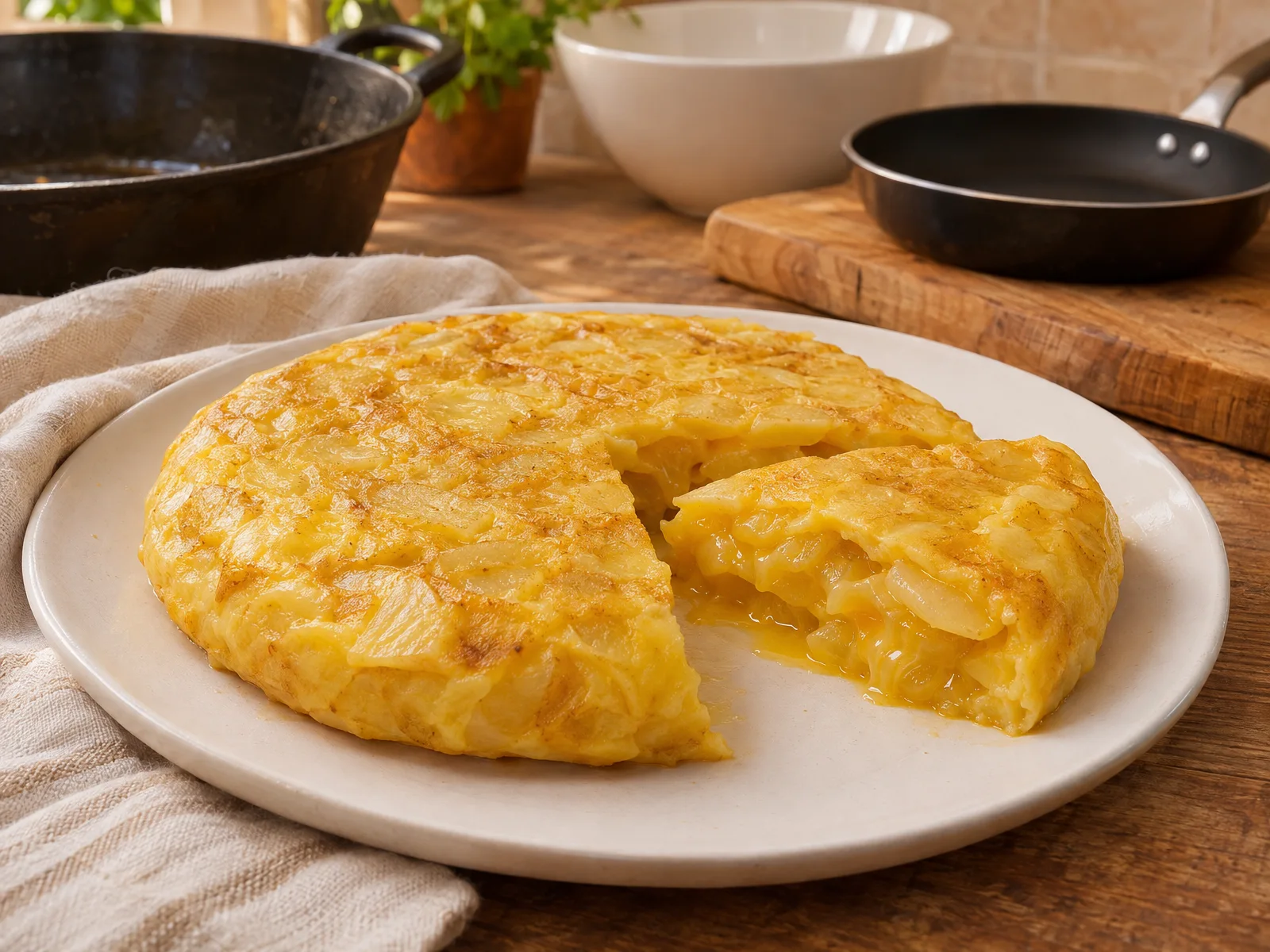
The Betanzos omelet comes from that town in A Coruña, Galicia (Spain), and is a version of the potato omelet, which we call potato omelet in Cuba, very different from the one we usually make at home. It has few ingredients, lots of eggs, and very thin potatoes well-cooked in olive oil. On the outside, it is barely set, and on the inside, it is creamy, almost liquid. Note: what remains creamy is the egg; the potato must be completely soft, never raw.
If you know our classic Spanish potato omelet, this one has a much less set center. And if your thing is the Cuban-style potato omelet, which usually includes sofrito, chorizo, or ají and ends up well-cooked from end to end, here you will find just the opposite: simplicity and a juicy heart that spills when cut.
The traditional Betanzos recipe does not include onion. Nevertheless, we leave an optional variant with onion for those who cannot do without it at home.
Ingredients
Check off the ingredients you have.
For the omelet
Optional (not the traditional version)
Method
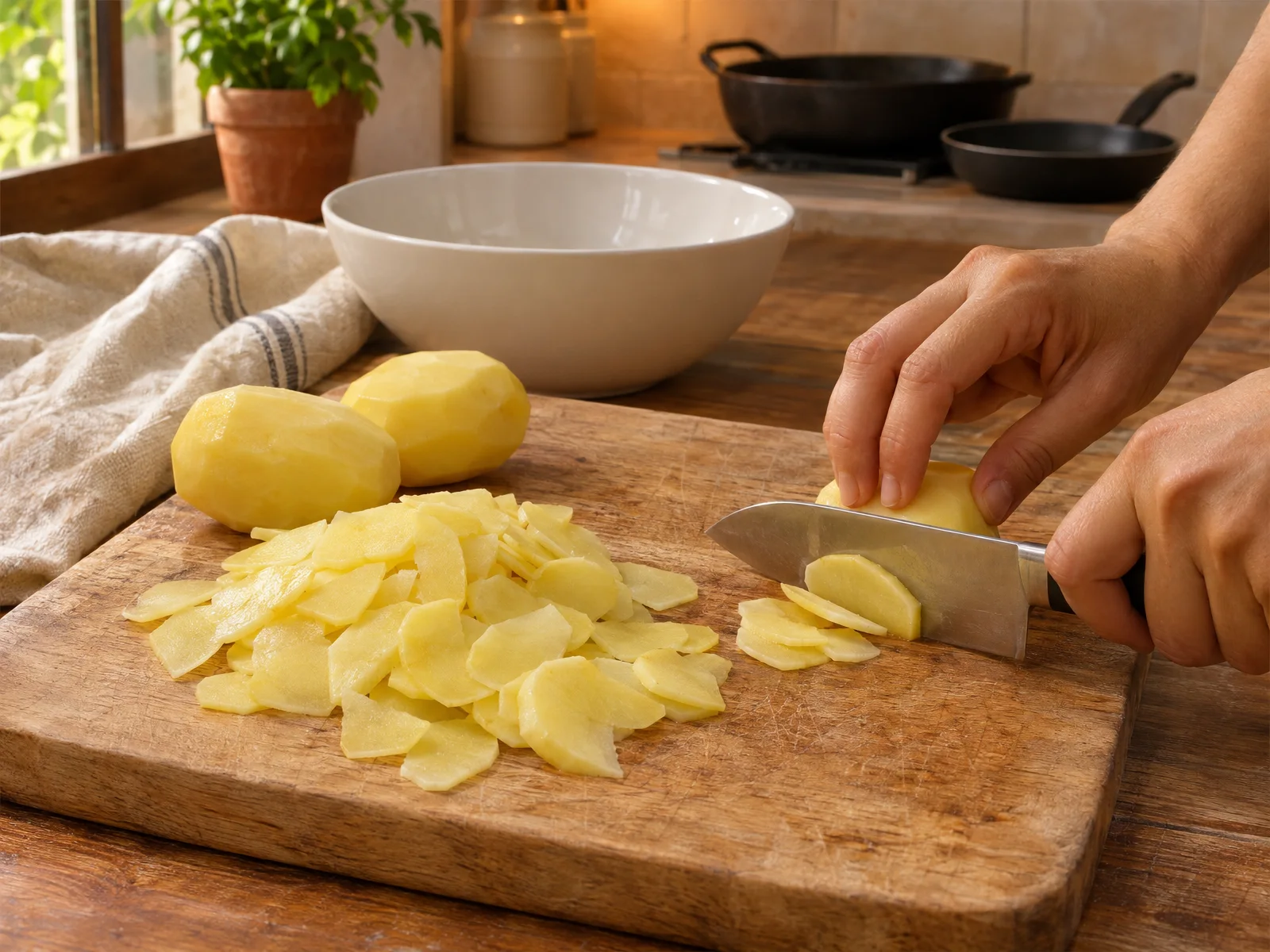
- Peel, wash, and dry the potatoes well. Cut them very thin, into small irregular slices of 2–3 mm. They must be completely cooked at the end, neither hard nor raw.
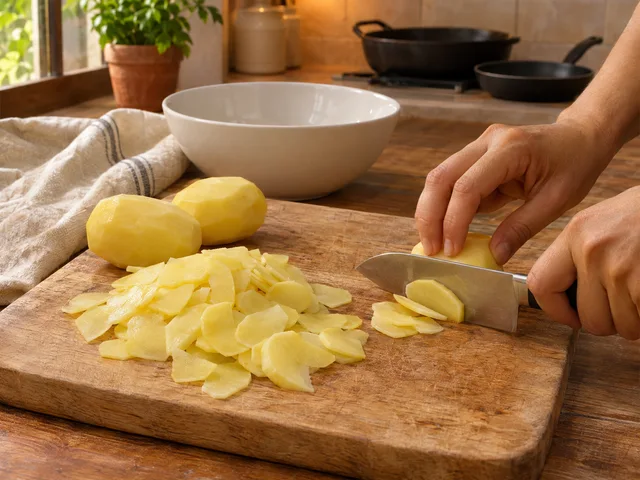
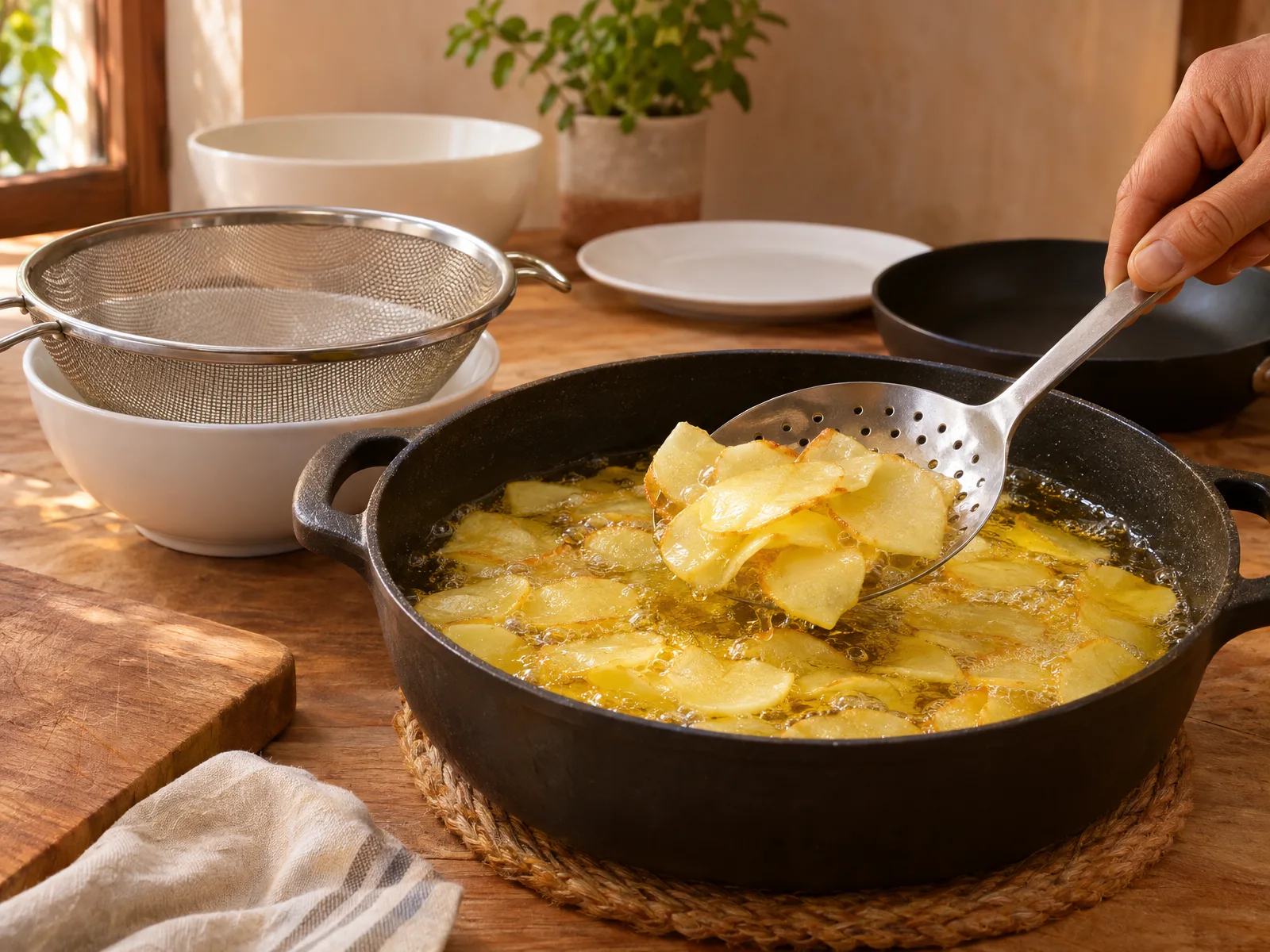
Image generated with AI.CiberCuba - Heat abundant olive oil in a wide skillet over medium heat. Cook the potatoes in batches, or all together if the skillet is large enough, for about 15–20 minutes, moving them gently, until they are very tender with some edges barely golden, without becoming crispy or burnt. Drain them very well of oil and let them lose a little heat.
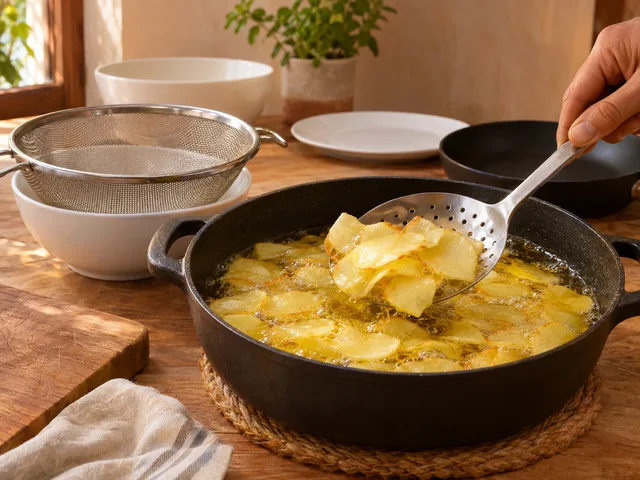
Image generated with AI.CiberCuba - Only if you want the onion variant: cook the chopped half onion separately in a little oil over medium-low heat until soft and translucent, then drain it. For the traditional Betanzos omelet, skip this step.
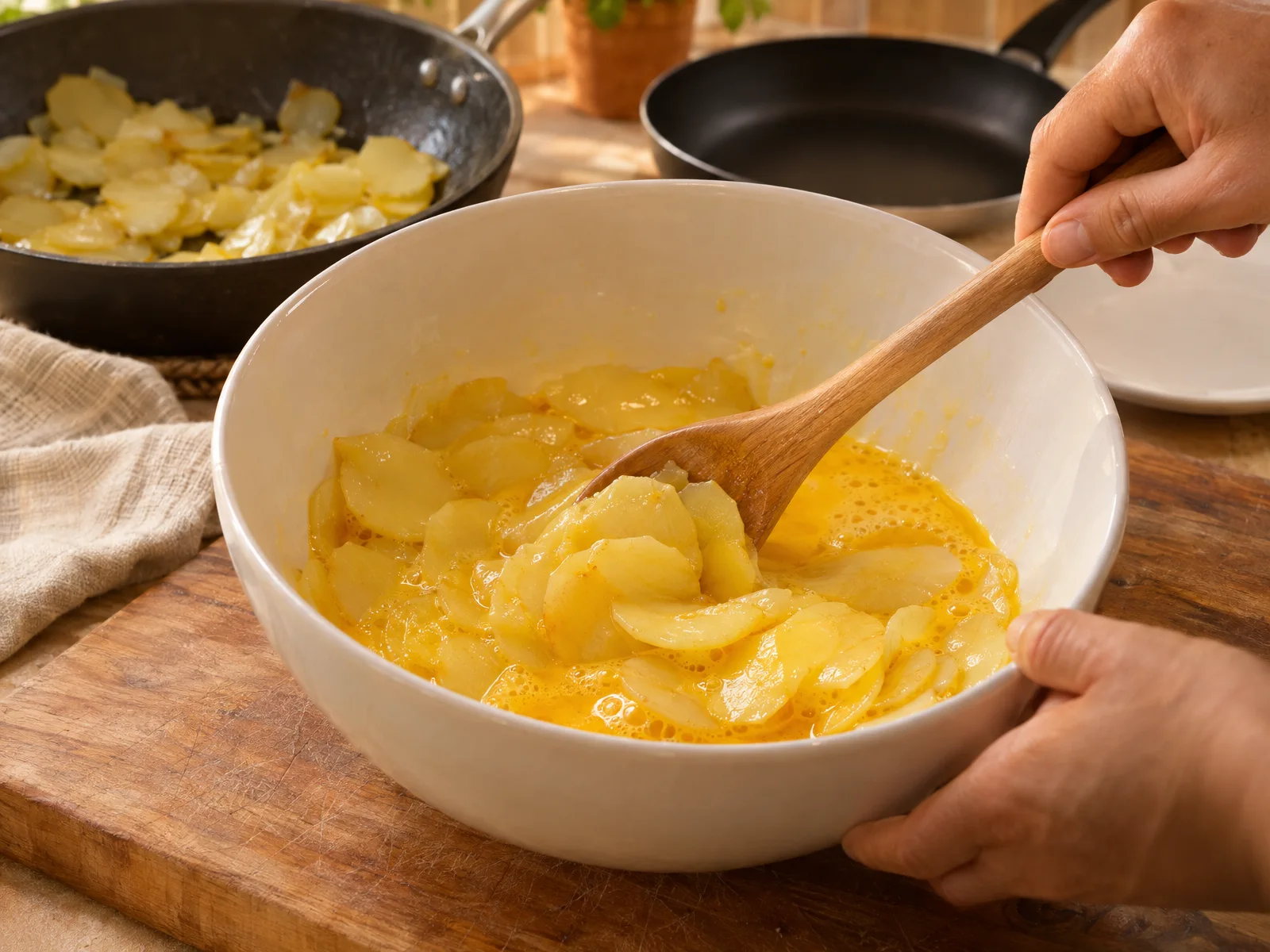
- Break the pasteurized eggs into a large bowl (or pour the pasteurized liquid egg) and mix them gently with the salt, just enough to combine white and yolk, without overbeating or creating foam. Add the drained potatoes and, only if you chose the variant, the onion. Stir carefully, without crushing all the potatoes.
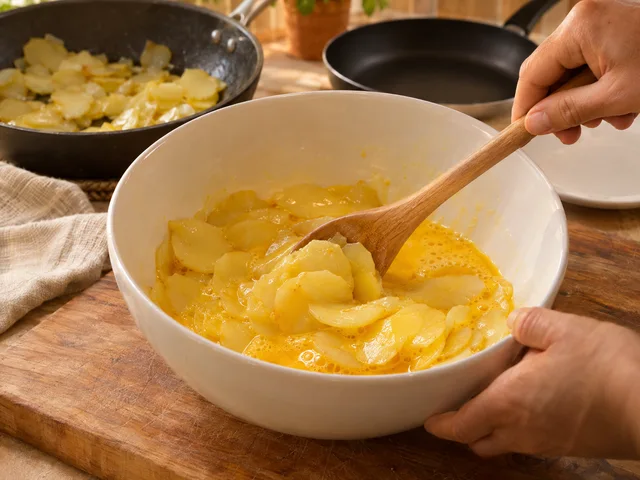
Image generated with AI.CiberCuba - Heat a 20–22 cm non-stick skillet with 1 tablespoon of oil. When well hot, pour in the mixture and cook over medium-high heat for about 45–60 seconds, moving the edges slightly so the omelet walls form. Depending on your skillet and stove: the outside must set, but the center will still wobble.
- Place a flat plate over the skillet and flip the omelet decisively, holding the plate firmly (or use a flipping lid). Slide it back into the skillet and cook the other side for about 30–60 seconds, just to seal the surface, without trying to dry out the center. The outside must hold its shape, and the inside should remain creamy, almost liquid. That plate has touched undercooked egg: do not use it for serving without washing it.
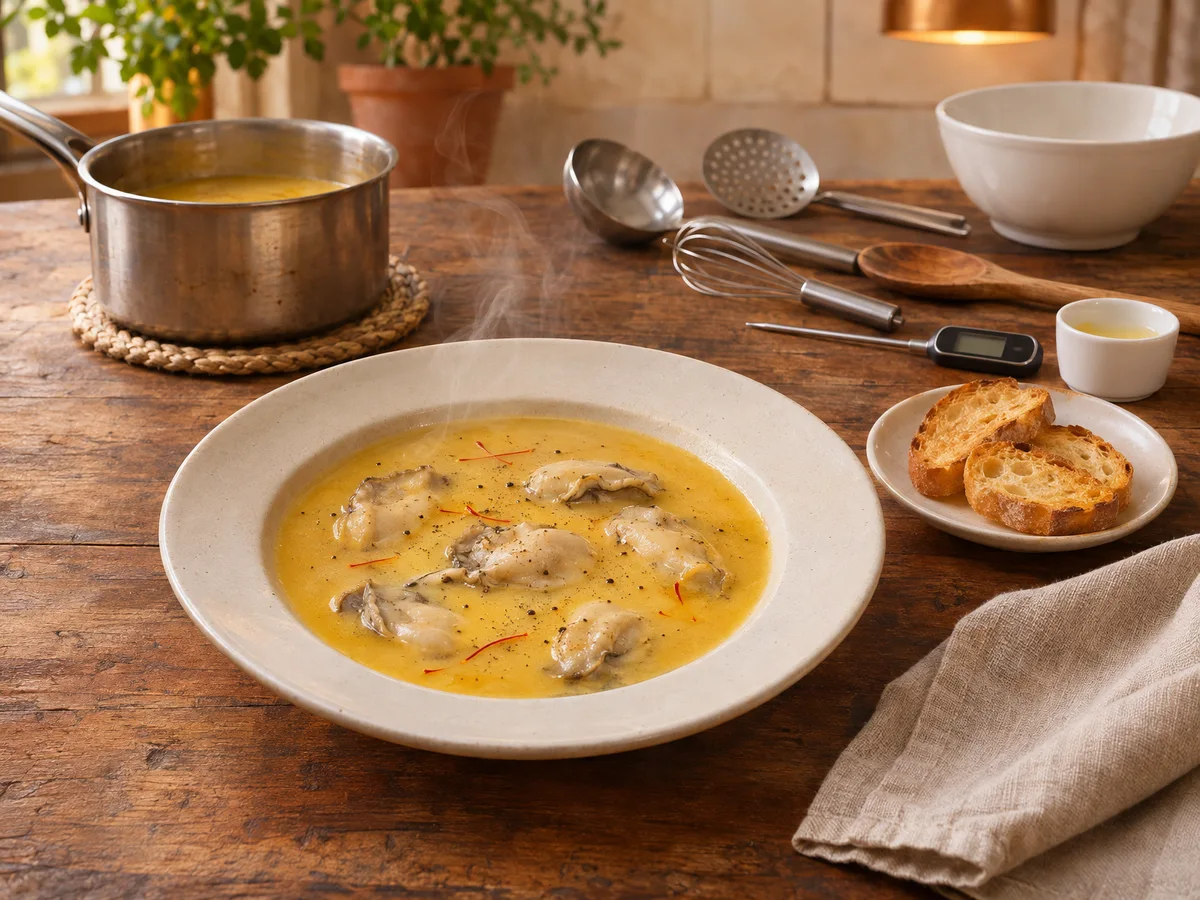
- Transfer the omelet to a clean plate, let it rest for a moment, and serve immediately. When cut, you will see a very creamy center, with fluid egg between the tender potatoes: that is the hallmark of the Betanzos style.

Image generated with AI.CiberCuba